
 Andrew Boyd
 Vidhu Bajaj
 David Boyd


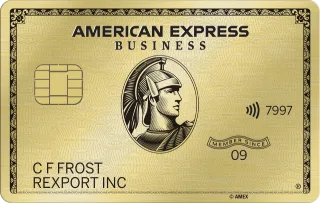
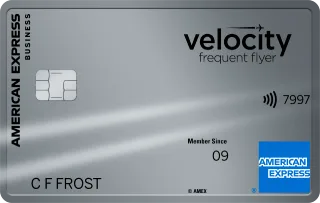


What is a charge card?
Unlike a traditional credit card, a charge card has no preset spending limit, which gives you more purchasing power. That isn't unlimited spending, though: issuers still monitor your account to make sure you don't overextend.
Who offers charge cards in Australia?
American Express leads the charge card market, with a range of cards built around rewards and perks. Its flagship Platinum Card is made from metal and carries premium benefits.
Diners Club also offered charge cards, paired with a linked Mastercard so you could earn rewards on more purchases, but it stopped offering them in Australia from 31 January 2024.
Expert insight: test the concierge before you rely on it
“The concierge and travel service used to be a real draw. In my experience it's become less reliable: details like passport and frequent flyer numbers don't always carry across, and reaching your account manager while travelling can take a few attempts. If a card's service is the main reason you're paying for it, put it to the test before you commit.”

Technology entrepreneur
What to compare when choosing a charge card
Sign-up bonus: many cards offer bonus points when you meet a minimum spend in a set time. Earn rate: charge cards often earn at a higher rate than credit cards. Rewards program: flexible programs like Membership Rewards let you transfer points to airline partners such as Qantas and Velocity.
Perks: higher-tier cards add airport lounge access, travel insurance and concierge services. Annual fee: these range from a few hundred to over a thousand dollars. Statement period: usually 44-51 days. Eligibility: charge cards usually need a higher minimum income than credit cards.
Using a charge card for business
Many business cards are actually charge cards, with features like accounting software integration (Xero, QuickBooks, MYOB), additional cardholders and detailed expense reporting.
They often add airport lounge access, complimentary domestic and overseas travel insurance, data exports and GST and FBT summaries, and points on eligible purchases including ATO payments. If you're a disciplined spender after premium perks and rewards, a charge card can be a useful addition.